


Speaker

Prof. Jianxing Wang, North China University of Technology
Research Area:
Civil engineering, architectural engineering, ancient structures, road and bridge structures, engineering seismic
Title:
Research on the form and mechanical properties of finger beam of wood structure strengthened with carbon fiber reinforced composites
Brief Introduction:
Wang Jianxing, was admitted to Beijing Institute of Technology(BIT) in 1982. In 1989, he graduated from BIT and worked in the Branch of Beijing Institute of Iron and Steel, where he served as assistant professor and lecturer successively. In 1997, he was transferred to North China University of Technology(NCUT), where he served as associate professor, Professor, responsible Professor, vice chairman of the Department, academic member, academic degree member and member of Teaching Guidance Committee. Excellent mechanics teachers in Beijing, excellent mechanics teachers in China. He taught more than 10 mechanics courses and created a lecture hall of science, technology and culture. He presided over and participated in nearly 20 projects, including the Natural Science Foundation of China(NSFC), the Beijing Natural Science Foundation(BNSF), the "practical training plan" for high-level talents in Beijing universities and horizontal projects, presided over more than 10 open experiments, and published 140 EI, ISTP, core papers, etc.
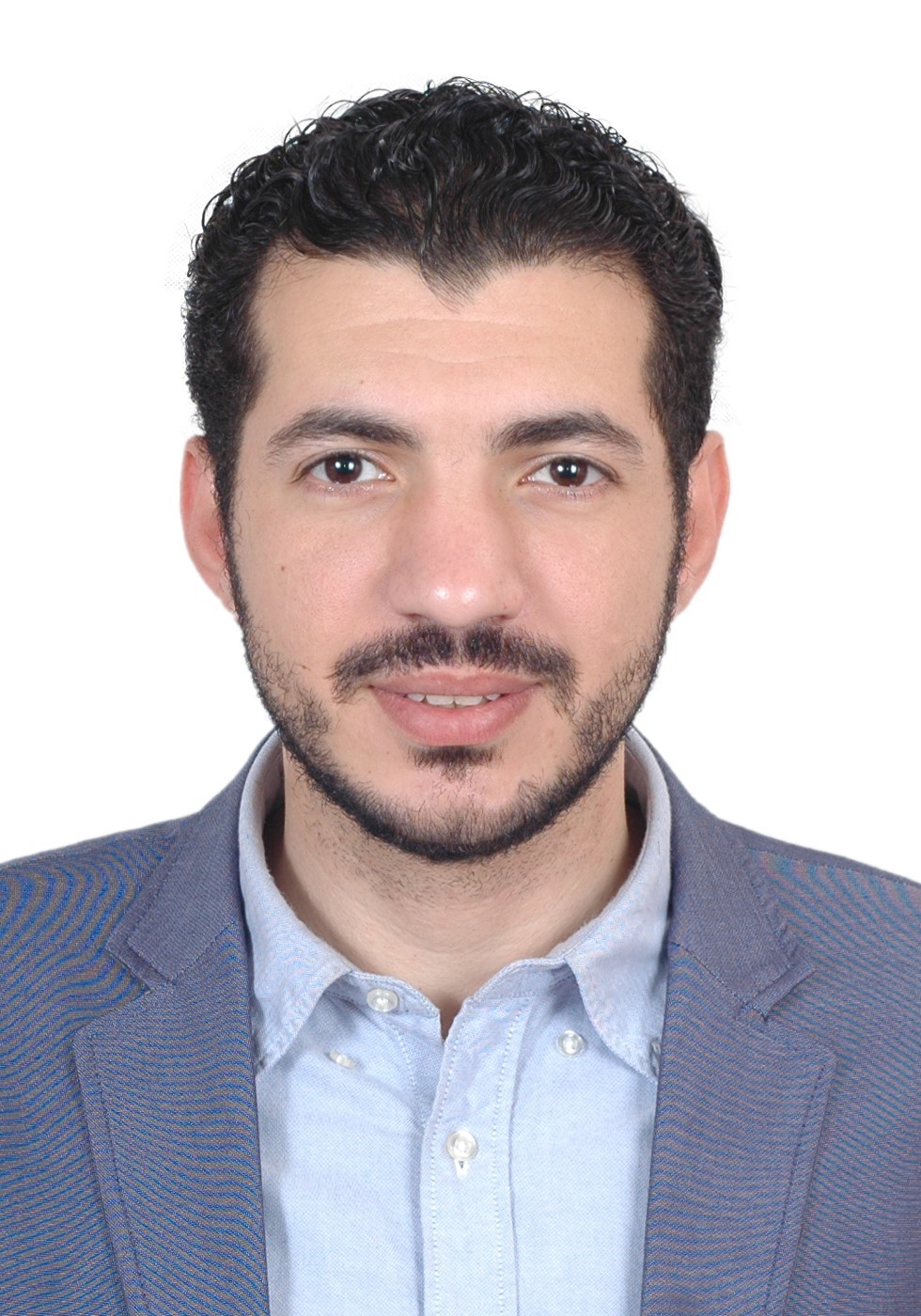
A. Prof. Hazem Samih Mohamed, Southwest Petroleum University
Research Area:
Structural engineering and Fatigue assessment of tubular joint
Title:
Rehabilitation of corroded offshore tubular joints with Carbon Fibre Reinforcement Polymers (CFRP) laminates
Abstract:
A considerable number of tubular structures were built around the world in the last century such as offshore platforms, exhibition halls, bridges, stadiums, industrial plants, railway stations and airports. Tubular joints are the vital parts of those structures as it plays an essential role in its stability. Those structures -especially offshore platforms- are exposed to environmental condition such as air and raining and seawater. Therefore, the safety of those structures is mainly threatened by the risk of corrosion, which is one of the most common reasons for the loss of such structural integrity. Statistically, in welded tubular structures, a certain number of corrosion defects located at the brace to chord intersection of the joint, leads to reduce its bearing capacity and service life. Therefore, one of the significant challenges confronting the researchers is extending and enhancing the bearing capacity and service life of those structures. Thus, the focus in this presentation on the rehabilitation of corroded offshore tubular joints by utilizing Carbon Fibre Reinforcement Polymers (CFRP) laminates as a strengthen materials and corrosion inhibition technique.